
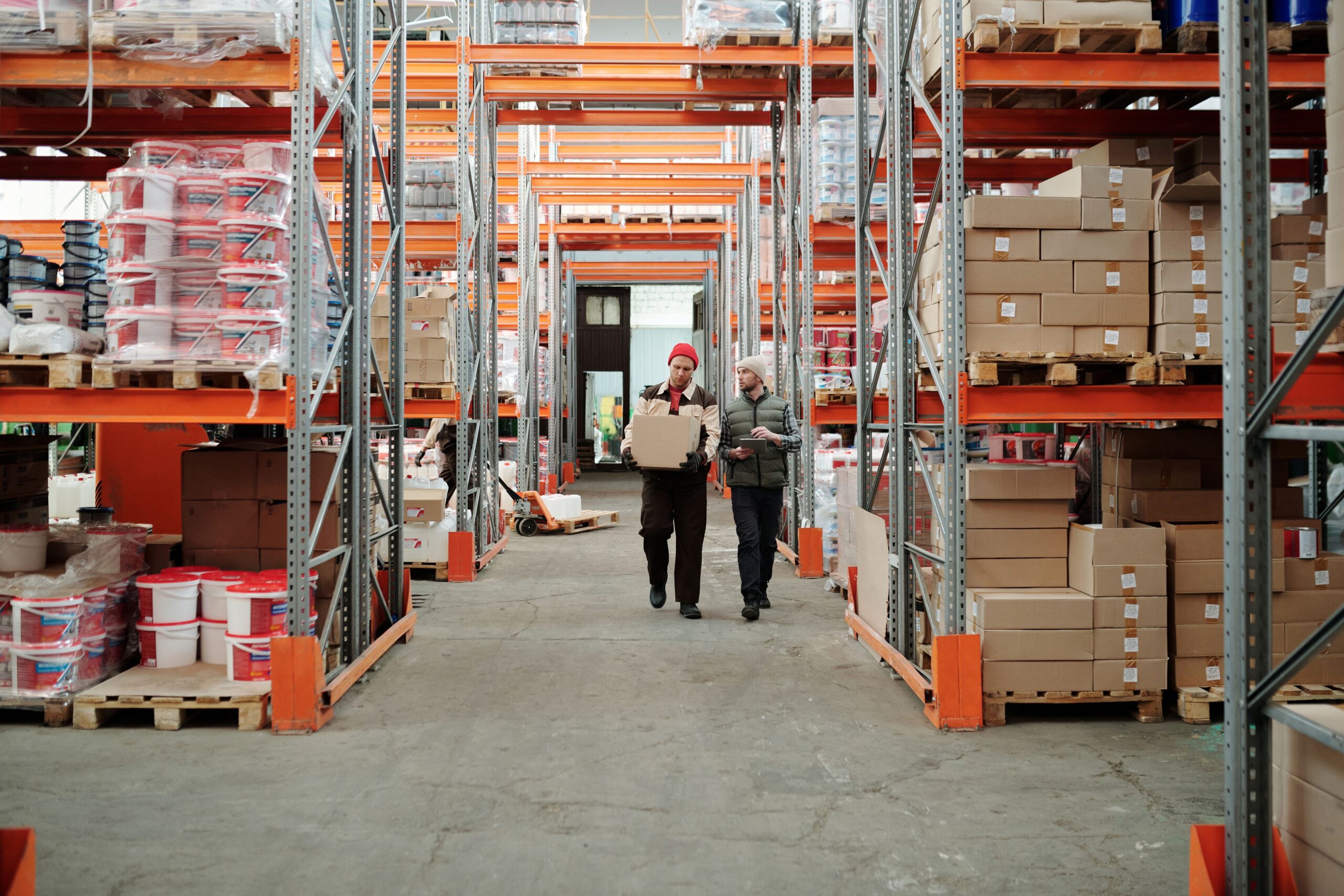
Logistics companies do not have much room for technology problems. When a dispatch system goes down, a warehouse network slows to a crawl, or employees cannot access the applications they need, the problem can quickly move beyond IT. Drivers may be delayed, shipments can fall behind schedule, customers may start calling, and employees are forced to find workarounds just to keep the day moving.
That is why Expert IT Support for Logistics is about more than fixing computers when something breaks. Logistics companies need technology that is reliable, secure, accessible, and supported before small problems become major disruptions.
For businesses operating in Dallas and throughout the surrounding DFW area, professional IT support can provide the infrastructure and ongoing oversight needed to keep offices, warehouses, dispatch teams, drivers, and remote employees connected.
Whether you operate a trucking company, freight brokerage, third-party logistics company, transportation business, or warehouse operation, the right IT strategy can make technology a dependable part of your operation rather than another source of uncertainty.
Why IT Support Matters So Much in Logistics
Modern logistics operations depend on technology at nearly every stage of the process. Dispatch software, transportation management systems, GPS tracking, email, accounting platforms, customer portals, cloud applications, phones, wireless networks, and mobile devices all have to work together.
That creates a unique IT environment. A problem with one system can quickly affect another. A network outage may prevent dispatchers from accessing their transportation management system. A compromised email account could expose sensitive customer or financial information. A weak wireless network can make warehouse devices unreliable. A failed server or cloud connection can slow down an entire office.
Logistics businesses also tend to operate beyond the traditional 9-to-5 schedule. Freight does not always move according to an office calendar, and transportation teams may need access to systems early in the morning, late at night, or on weekends.
This is where proactive IT support for logistics becomes especially important. Instead of waiting for employees to report a problem, a managed IT approach focuses on monitoring systems, identifying vulnerabilities, maintaining infrastructure, and addressing issues before they interfere with operations.
What Expert IT Support for Logistics Should Include
Not every IT provider understands the demands of logistics. A technology partner supporting a logistics company needs to understand that uptime, communication, security, and speed are directly connected to the business.
Effective logistics IT services should address the entire technology environment rather than treating each computer or problem as an isolated issue.
Reliable Network and Infrastructure Support
Your network is the foundation of your operation. If the network is unstable, everything connected to it can become unreliable.
Network support for logistics companies should include ongoing monitoring and maintenance of the infrastructure that connects employees, applications, devices, and locations. This can include office networks, wireless infrastructure, internet connectivity, firewalls, servers, switches, and other critical components.
For warehouse environments, reliability becomes even more important. Employees may depend on wireless connections to access inventory systems, communicate with the office, process information, or use mobile devices throughout the facility.
Professional warehouse IT support should account for the physical environment as well as the technology itself. Coverage, connectivity, device management, and network performance all need to be considered when designing an environment where employees and systems may be spread across a large facility.
Support for Dispatch and Transportation Systems
Transportation companies rely on specialized software to coordinate operations. Transportation management systems, fleet management platforms, GPS tracking, accounting applications, customer portals, communication tools, and other business applications all need to remain accessible.
Transportation IT support should help ensure these systems have a stable technology environment underneath them. That means addressing network performance, device reliability, user access, connectivity, and security rather than simply troubleshooting an application after it stops working.
When a dispatcher cannot access the tools they need, the issue is not simply an IT ticket. It can become an operational problem. The faster technology issues are identified and addressed, the less likely they are to interfere with the movement of freight.
Cybersecurity Built Around Logistics Operations
Logistics companies handle valuable information and rely on systems that need to remain available. That makes cybersecurity an important part of any logistics IT strategy.
Phishing, ransomware, stolen credentials, compromised accounts, malware, and other threats can create significant operational and financial consequences. A successful attack does not necessarily need to take down an entire company to cause damage. Losing access to an email account, cloud application, file system, or critical business platform can be enough to disrupt daily operations.
A strong logistics cybersecurity strategy should include multiple layers of protection. Depending on the organization’s environment, this may include endpoint protection, secure user access, multi-factor authentication, email security, backup and recovery, network security, monitoring, patch management, and employee security awareness.
The NIST Cybersecurity Framework 2.0 provides organizations with a structured way to understand, assess, and manage cybersecurity risk. Its guidance can be useful for logistics companies that want to move beyond individual security tools and develop a more organized approach to managing risk.
Why Reactive IT Support Can Create Problems for Logistics Companies
Traditional break-fix IT follows a simple pattern: something breaks, someone reports it, and a technician works on the problem.
That approach may solve an immediate issue, but it does not necessarily address why the problem happened in the first place.
If a server repeatedly fails, fixing it every time does not eliminate the underlying risk. If employees regularly experience network interruptions, restarting equipment every time is not a long-term solution. If the same security issue keeps appearing, responding to each incident individually can leave the company exposed.
Managed IT services for logistics take a different approach by emphasizing prevention and ongoing oversight.
A proactive IT strategy can help logistics businesses:
- Identify technology problems before they become major disruptions
- Reduce recurring IT issues
- Keep systems and devices maintained
- Monitor network and infrastructure performance
- Improve cybersecurity practices
- Maintain reliable access to business applications
- Support employees across offices, warehouses, vehicles, and remote locations
- Create a clearer plan for technology upgrades and improvements
The goal is not simply to respond faster when something breaks. The goal is to reduce how often critical problems happen in the first place.
Supporting a Logistics Workforce That Is Everywhere
One of the biggest challenges in logistics IT is that the workforce is rarely confined to one office.
Dispatchers may work from a central office. Drivers may depend on mobile devices while they are on the road. Warehouse employees may use computers and wireless devices across large facilities. Managers may need secure access to information while traveling between locations. Administrative employees may work remotely.
That creates a technology environment with more endpoints, more users, and more opportunities for connectivity or security problems.
Professional IT support for logistics should account for these different users and locations. Employees need to be able to access the systems required for their jobs without creating unnecessary security risks.
This is particularly important as logistics companies grow. Adding employees, locations, devices, or applications without a coordinated IT strategy can make an environment increasingly difficult to manage.
Dallas IT Support for a Fast-Moving Logistics Market
Dallas is an important logistics and transportation market, with businesses operating throughout the DFW area and connecting regional, national, and international supply chains.
For Dallas-area logistics companies, technology support needs to reflect the pace of the market. A business may have employees in Dallas, a warehouse in another DFW community, drivers throughout Texas, and customers across the country. The technology environment connecting all of those people and systems needs to remain dependable.
Dallas IT support for logistics companies can also provide a local advantage. A technology partner familiar with the needs of businesses in the area can better understand the operational demands of companies working across the DFW market while still providing support for remote users and locations.
Local support does not mean technology needs to be limited to a single office. Modern logistics IT support should be capable of supporting distributed operations wherever employees and business systems are located.
How IT Support Can Help Logistics Companies Scale
Technology becomes more complicated as a logistics business grows.
A small operation may start with a handful of employees, a basic network, several computers, and a few cloud applications. As the company expands, it may add warehouses, additional vehicles, new employees, more software, additional locations, and increasingly complex security requirements.
Without a plan, IT can become fragmented. Different applications may not work well together. Older equipment may remain in use longer than it should. Employees may develop workarounds that introduce security risks. Management may not have a clear understanding of what technology needs to be upgraded next.
Professional logistics IT services can provide a more structured approach to growth.
An IT partner can help evaluate the existing environment, identify weaknesses, prioritize improvements, and create a technology roadmap that aligns with the company’s operational goals.
That can be especially valuable for businesses that are growing quickly but are not yet ready to build a large internal IT department.
Technology and Supply Chain Security
Cybersecurity does not stop at the walls of your own office. Logistics businesses often interact with customers, carriers, vendors, brokers, software providers, and other third parties. Each connection can create technology and security considerations.
This makes vendor and supply chain risk an important part of a broader IT strategy. Businesses should understand what systems they rely on, what information is being shared, who has access to it, and what happens if an important technology provider becomes unavailable.
The NIST guidance on cybersecurity supply chain risk management provides a framework for organizations looking to better understand and manage cybersecurity risks involving suppliers and technology providers.
For logistics companies, this kind of planning can help move cybersecurity conversations beyond passwords and antivirus software toward a broader understanding of business continuity and technology risk.
Questions to Ask When Choosing IT Support for Logistics
Not every IT provider is built around the needs of logistics and transportation businesses. Before choosing a technology partner, decision-makers should consider how well the provider understands the company’s operational environment.
Important questions include:
- Does the provider understand logistics and transportation workflows?
- Can they support office employees, warehouse users, and remote workers?
- Do they proactively monitor systems or primarily respond when something breaks?
- How do they approach cybersecurity?
- Can they support multiple locations?
- How do they handle backups and disaster recovery?
- Can they help plan technology upgrades as the business grows?
- How quickly can they respond when a critical operational issue occurs?
- Will there be a clear point of accountability for the company’s IT environment?
The right answers will depend on the size, technology environment, and operational requirements of each company. The important thing is to look beyond basic computer troubleshooting and consider whether the provider can support the business’s broader technology needs.
Why Proactive IT Support Makes Sense for Logistics
Logistics companies are built around movement. Freight needs to move. Drivers need to communicate. Dispatchers need reliable systems. Warehouses need connectivity. Customers need updates. Employees need access to the applications and information required to do their jobs.
Technology should make that movement easier, not create another obstacle.
Expert IT Support for Logistics provides a proactive approach to keeping the technology behind transportation and warehouse operations reliable. Instead of waiting for every issue to become an emergency, businesses can use ongoing monitoring, maintenance, cybersecurity, and strategic planning to create a more dependable IT environment.
For Dallas-area logistics businesses, the goal is simple: fewer technology disruptions, less uncertainty, stronger security, and reliable support when it matters.
Get IT Support Built for Logistics
Your IT environment should support the way your logistics business actually operates. Whether you are managing a transportation company, freight brokerage, 3PL, warehouse operation, or another logistics business, having the right technology support can help your team spend less time dealing with IT problems and more time moving the business forward.
LG Networks provides IT support for logistics companies with a focus on reducing disruptions, improving security, supporting distributed teams, and keeping critical technology running reliably.
If you are looking for a technology partner that understands the demands of logistics and transportation, learn more about IT Support for Logistics and see how LG Networks can support your operation.