
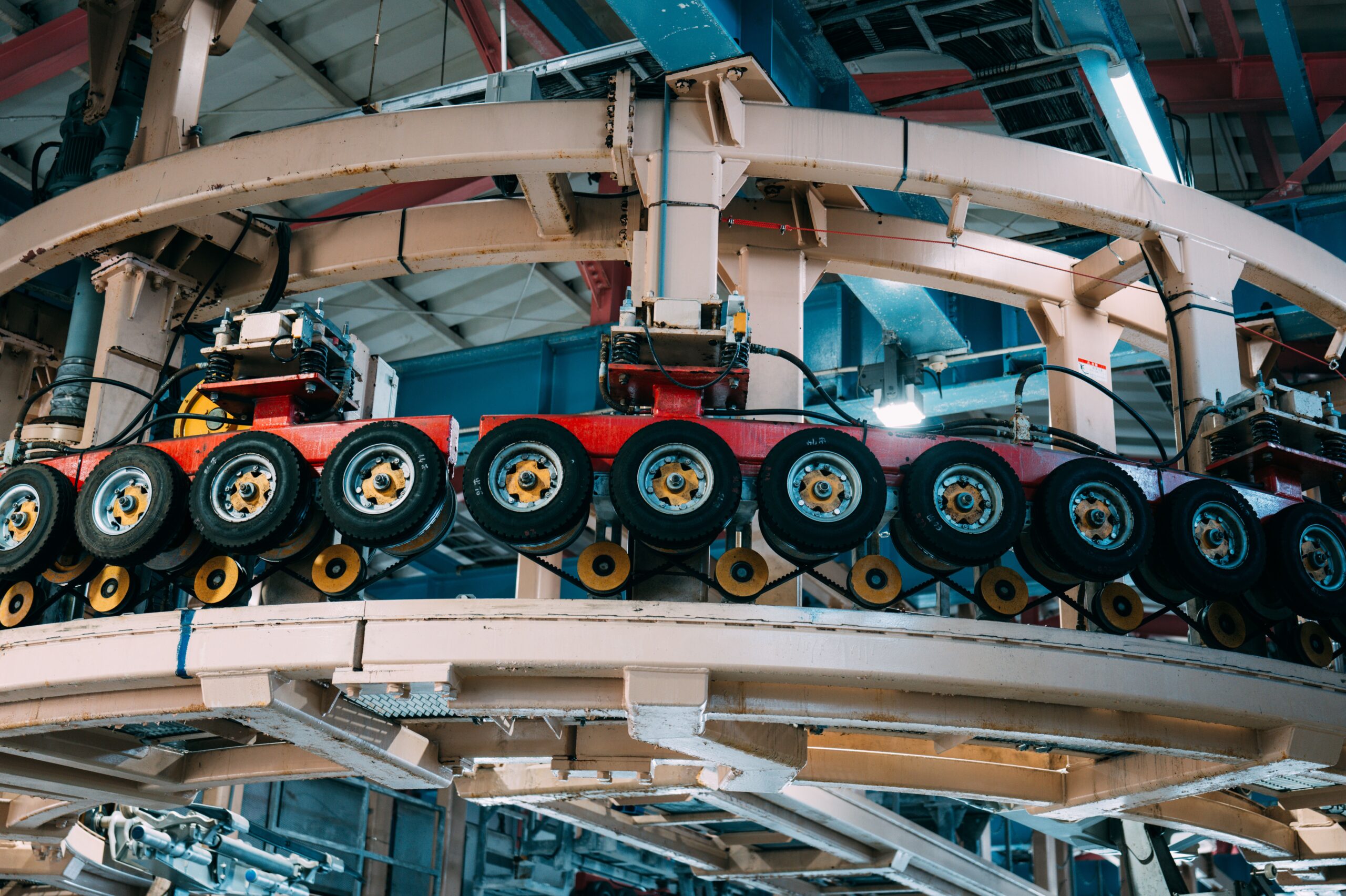
Modern manufacturing depends on technology at nearly every stage of the business. From office computers and cloud applications to production scheduling, connected systems, employee devices, business networks, and data management, technology helps manufacturers keep operations organized and productive.
That dependence also creates new challenges. A network outage can interrupt access to critical business applications. An outdated device can create a security weakness. A compromised employee account can expose sensitive company information. When IT problems are handled only after they disrupt employees, the cost can extend beyond the technology itself.
This is where managed IT services for manufacturing can provide value. Rather than relying solely on reactive technical support, manufacturers can use proactive monitoring, maintenance, cybersecurity, network management, and ongoing IT support to create a more reliable technology environment.
For manufacturing businesses in Dallas, TX, having a technology strategy that accounts for the demands of modern operations can help employees stay productive, protect business information, and give leadership greater visibility into the company’s IT environment.
Why Manufacturing Businesses Need a Proactive IT Strategy
Manufacturing companies operate in environments where technology needs to be dependable. Employees may rely on shared applications, cloud platforms, email, file systems, business management software, communication tools, and network-connected devices throughout the workday.
At the same time, manufacturers may have a mixture of newer technology and older systems that remain important to the business. Replacing everything at once is rarely practical, which makes ongoing management and planning especially important.
A proactive IT strategy helps manufacturers address technology needs before they become urgent problems. Instead of waiting for an employee to report that a system is running slowly or a device has stopped working, IT professionals can monitor systems, apply updates, identify potential issues, and address problems as part of an ongoing process.
This approach is one of the central reasons businesses turn to manufacturing IT services. The goal is not simply to fix computers. It is to support the technology infrastructure that employees and business operations depend on every day.
How Managed IT Services Support Manufacturing Operations
Managed IT services can cover many parts of a manufacturer’s technology environment. The exact services will depend on the organization’s size, infrastructure, applications, and business requirements, but the overall objective is consistent: keep business technology reliable, secure, and properly maintained.
Proactive Monitoring and Maintenance
One of the biggest differences between proactive managed IT and traditional break-fix support is what happens before a problem becomes visible to employees.
With proactive monitoring, IT professionals can watch over important systems and identify potential performance or availability issues. A device approaching capacity, a server experiencing unusual activity, or a network component showing signs of trouble may warrant attention before employees experience a complete failure.
Regular maintenance is equally important. Software updates, security patches, configuration reviews, device management, and other routine tasks can help keep an IT environment in better working condition.
For manufacturers, this can mean fewer avoidable interruptions and a more predictable approach to managing technology.
Reliable Network Support
A dependable network is the foundation of a modern manufacturing company’s IT environment. Employees need access to applications, files, email, cloud services, communication tools, and other resources throughout the day.
Network support for manufacturing companies can include monitoring network performance, managing network equipment, troubleshooting connectivity problems, and helping businesses plan for changing technology requirements.
As manufacturers add employees, devices, applications, or locations, their network requirements can change. An IT provider can help identify where capacity or infrastructure needs to evolve rather than waiting until network performance becomes a major business problem.
Reliable connectivity is especially important when employees depend on cloud-based applications. If users regularly experience slow connections or interruptions, productivity can suffer even when the applications themselves are functioning correctly.
24/7 IT Support for Manufacturing
Manufacturing operations do not always fit neatly into traditional office hours. Depending on the organization, employees may work different shifts or require technology support outside of a standard 9-to-5 schedule.
24/7 IT support for manufacturing gives businesses a way to address technology problems when they occur instead of automatically waiting until the next business day.
Around-the-clock support can be particularly useful when an issue affects multiple employees or prevents access to an important business system. While not every problem requires an immediate response, having access to IT support outside normal business hours can reduce the amount of time employees spend waiting for assistance.
Manufacturing Cybersecurity Is an Operational Priority
Cybersecurity is no longer something manufacturers can treat as an isolated technology concern. Manufacturing businesses may have valuable intellectual property, financial information, employee data, customer information, business documents, credentials, and other sensitive information that needs protection.
Modern manufacturing environments can also involve increasingly connected technology. As systems become more interconnected, organizations need to understand what is connected to their environment, who can access it, and how information moves between systems.
The National Institute of Standards and Technology has developed cybersecurity guidance specifically for manufacturing environments. NIST’s Manufacturing Profile provides a voluntary, risk-based approach for managing cybersecurity risks and is designed around the goals and characteristics of the manufacturing sector. NIST’s Manufacturing Cybersecurity Profile provides additional information for organizations evaluating their cybersecurity approach.
Managed IT services can support the business IT side of that effort through security controls, endpoint management, patching, access management, monitoring, backup management, and other practices designed to reduce technology-related risk.
Protecting Employee Devices and Accounts
Employees are an important part of a manufacturer’s cybersecurity environment. A compromised password, phishing message, unpatched computer, or unauthorized account can create an opportunity for an attacker to gain access to company resources.
Manufacturing IT support can help businesses establish consistent processes for managing employee devices and access. Depending on the environment, this may include endpoint security, multi-factor authentication, password policies, device updates, access controls, and user security awareness.
The objective is not to make employees responsible for cybersecurity on their own. Instead, technology controls and employee awareness should work together as part of a broader security strategy.
Backup and Data Protection
Data protection is another important part of manufacturing IT. Business information may include financial records, customer documents, operational data, employee information, product information, and other files that the organization cannot afford to lose.
A backup strategy should account for more than simply having copies of files. Manufacturers should understand what data is being backed up, how frequently backups occur, where backups are stored, and whether the organization can recover important information when needed.
Managed IT services can help monitor backup processes and identify problems that could otherwise go unnoticed. Regular attention to backups can be an important component of preparing for hardware failures, accidental deletion, security incidents, and other unexpected events.
Supporting the Technology Employees Use Every Day
Technology support for manufacturers extends beyond networks and servers. Employees throughout a manufacturing business may rely on computers, laptops, mobile devices, printers, email, collaboration applications, cloud software, file storage, and specialized business applications.
When employees encounter recurring technology problems, productivity can decline. A slow computer may only cost a few minutes at a time, but repeated issues across multiple employees can create a meaningful drain on the workday.
Manufacturing IT support provides a structured way to address those problems. Instead of having employees spend valuable time trying to troubleshoot technical issues themselves, they can have a defined resource for assistance.
This can also give management better visibility into recurring IT problems. If the same issue appears repeatedly across a department, that may indicate an underlying infrastructure, hardware, software, or configuration problem that needs a more permanent solution.
Managing Technology as the Business Grows
Manufacturing companies do not remain static. Employees are added, applications change, offices expand, devices are replaced, and business requirements evolve.
IT infrastructure needs to evolve with those changes.
Managed IT services can help manufacturers take a more deliberate approach to technology planning. Rather than making every IT decision during an emergency, businesses can work from an ongoing understanding of their environment and priorities.
This can include reviewing aging hardware, planning network upgrades, managing software licenses, improving security controls, preparing new employee devices, and identifying technology investments that support business objectives.
Creating a More Consistent IT Environment
Consistency matters when an organization has many users and devices. Different configurations, outdated software, inconsistent access permissions, and unmanaged devices can make an IT environment harder to secure and support.
Standardized processes can make technology management more predictable. Devices can be configured according to established requirements, updates can be managed systematically, and access can be reviewed as employees join or leave the organization.
For manufacturers with multiple offices or facilities, consistency can also make it easier to maintain a common technology standard across the business.
Why Local Dallas IT Support Can Matter for Manufacturers
Dallas and the surrounding DFW area have a large and diverse manufacturing community. Manufacturers in the region operate businesses of different sizes, with different technology environments and operational requirements.
For a Dallas manufacturer, Dallas IT support can combine remote technical capabilities with local availability when onsite assistance is necessary. Many technology issues can be diagnosed or resolved remotely, while certain infrastructure projects, hardware problems, or other situations may benefit from an onsite presence.
Local support can also provide a better understanding of the practical needs of businesses operating in the area. More importantly, manufacturers can establish an ongoing relationship with an IT provider rather than relying on disconnected technical fixes whenever something goes wrong.
What to Look for in Managed IT Services for Manufacturing
Not every managed IT provider offers the same approach, so manufacturing decision-makers should consider how a potential IT partner would support their specific environment.
- Proactive monitoring: Look for ongoing visibility into systems, devices, and network performance.
- Security management: Make sure cybersecurity is treated as part of the overall IT strategy.
- Responsive support: Understand how employees request assistance and how urgent issues are escalated.
- Network expertise: Confirm that the provider can support the network infrastructure your business depends on.
- Backup management: Ask how backups are monitored and how recovery is handled.
- Strategic planning: Look for an IT partner that can help plan technology improvements instead of only reacting to problems.
- Scalability: Make sure the service can adapt as your workforce, technology, and business requirements change.
It is also important to clearly define the boundaries of the IT provider’s responsibilities. Manufacturers may have specialized production technology or operational systems that require specialized vendors. A managed IT provider should clearly communicate which systems and services it supports rather than making assumptions about technology outside its scope.
Building a Stronger Technology Foundation for Manufacturing
Modern manufacturing requires more than production capabilities. Businesses also need dependable technology infrastructure to support employees, communication, data, cybersecurity, and daily business operations.
That is why understanding how managed IT services support modern manufacturing operations is important for business owners, plant managers, operations managers, and executives. A proactive IT strategy can help manufacturers address problems earlier, improve network reliability, strengthen security practices, and maintain the technology employees depend on every day.
Managed IT does not eliminate every technology problem. Instead, it provides a structured approach to managing the IT environment so businesses are not constantly waiting for the next issue to appear.
NIST’s broader Cybersecurity Framework 2.0 guidance also emphasizes managing cybersecurity risk across organizations of different sizes and levels of maturity. For manufacturers, cybersecurity should be considered alongside reliability, access, data protection, and overall technology management.
Take a More Proactive Approach to Manufacturing IT
Technology should support manufacturing operations rather than become another source of unnecessary disruption. With proactive monitoring, dependable network support, cybersecurity management, data protection, and responsive technical assistance, manufacturers can create a stronger foundation for the systems their employees rely on.
If your manufacturing business is looking for a more proactive approach to managing its technology environment, learn more about IT Support for Manufacturing from LG Networks. The service is designed to help manufacturing businesses manage their IT needs with ongoing support, reliable infrastructure, and a focus on keeping technology aligned with the needs of the business.